
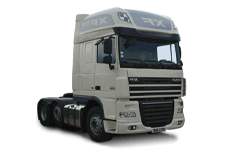
Details to confirm before a truck or lorry quote
Describe the load by weight, dimensions and packing, whether palletised, loose or crated. Ask the recipient whether unloading will be by forklift, at a loading dock or by hand, and whether their site has height, length or weight limits for delivery vehicles. Provide driver licence details and say whether the hire is for business use, so the team can confirm driver and operator requirements with you before booking.
Picking a suitable truck
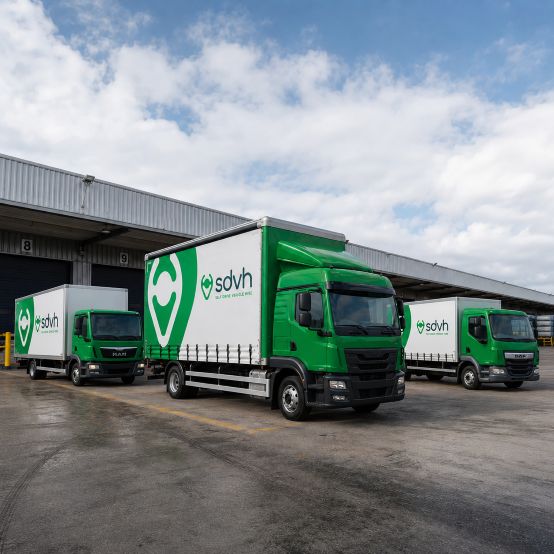
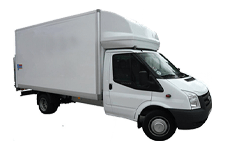
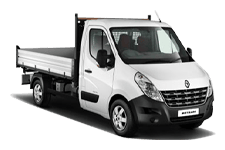
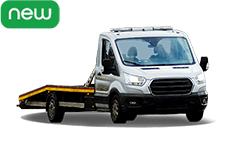
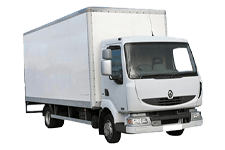
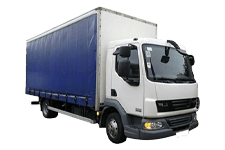
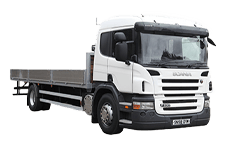
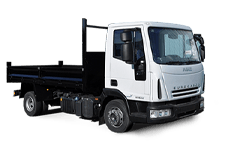
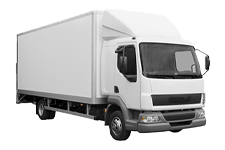
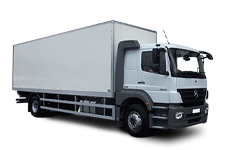
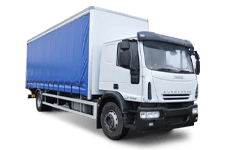
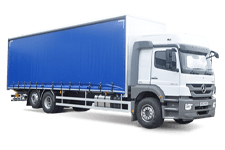
Choose the truck according to how the load will be handled. A box or Luton-style body usually suits goods that need protecting, a tail lift helps where there is little loading equipment, and dropsides can work well for materials needing open-side access. Subject to dates, driver details and availability, the range covers the Ford Luton 3.5 Tonne Box with Tail Lift, 3.5 Tonne Tipper Transit Truck, 3.5 Tonne Recovery Truck, 7.5 Tonne Box Truck With Tail Lift and 7.5 Tonne Curtain Side Truck. The quote stage confirms the exact make, model, transmission, seats, payload and licence position, so these vehicles serve as a guide to the type of hire available and not as a guaranteed reservation of a particular model.
Planning the Order of Your Deliveries
Which stop comes first on a multi-drop run? Working out the sequence in advance gives you a clear schedule to follow. List every collection and delivery address, note the contact name and phone number at each, and decide the order based on your own priorities, whether that is deadlines, opening hours or simply the route you prefer. Record the time windows each recipient has given and any paperwork they expect on arrival. If one drop involves a particularly bulky load, note it separately so it can be discussed when you enquire. Sharing this sequence with the team, alongside the load type, helps match the request to the right commercial vehicle category for the job.
Recording Load Details and Site Restrictions
What should you tell the team about the load itself? Start with a description of what is being carried, including approximate dimensions, any unusual shapes and whether the items are loose or packaged. Then note the site restrictions at both ends: height barriers, gated access, limited turning space or specific entry times. If a recipient needs to be contacted ahead of arrival, record their details and preferred method of communication. Questions worth asking include whether the collection point has its own access rules and whether the delivery site expects documentation. None of this needs to be technical; a simple written summary of the load, the restrictions and the people involved gives the enquiry a solid starting point.
Explore other truck hire areas
Last checks before booking
Before you confirm the hire, go through the essentials: vehicle availability, driver requirements, mileage, insurance, delivery or collection arrangements and any extras you have asked for. With truck hire, the booking team should check the driver category, operator position, mileage terms, insurance, payload, body type and where the vehicle can be delivered or collected safely. It helps if your request includes the date, hire length, approximate route, delivery or pickup address, expected passengers or load, and any special requirements that might affect the suitability of the vehicle.